Semuliki National Park Uganda – Wildlife, Hot Springs & Bird-Watching
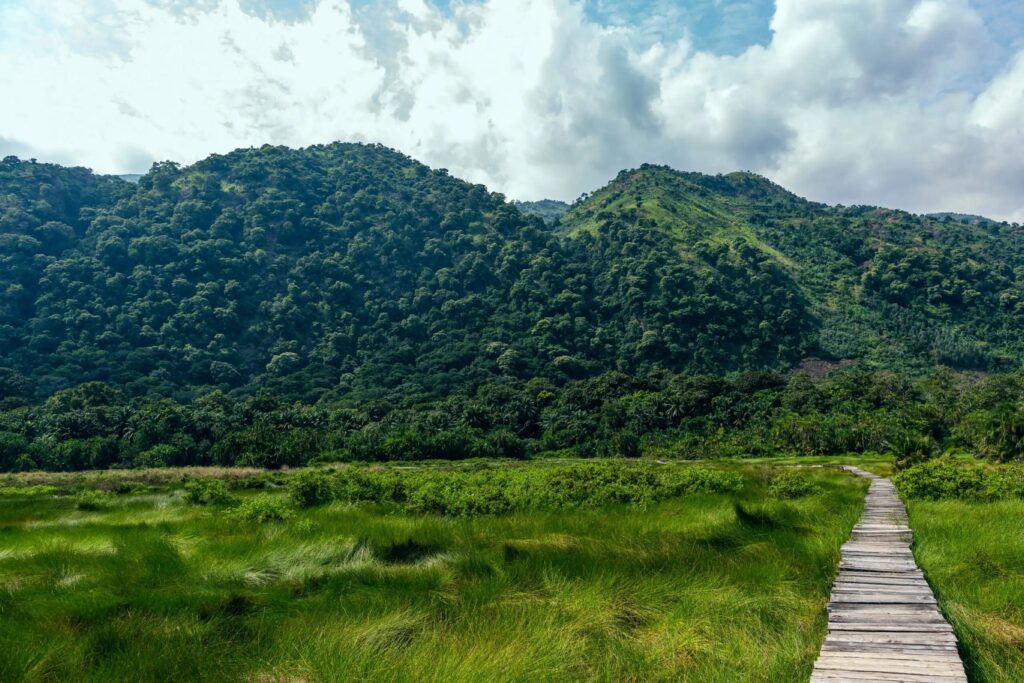
Semuliki National Park covers 220 square kilometers (22,000 hectares) and was gazetted in 1993. The park is known for its vast savannah grasslands, hot springs, the Semuliki River, and lowland tropical rainforests, all surrounded by the beautiful Rwenzori Mountains, also called the Mountains of the Moon.
The park is home to over 441 bird species, including many forest birds, and more than 53 mammal species, including several primates like chimpanzees. However, despite its rich biodiversity, Semuliki is often not included in safari itineraries.
Location of Semuliki

Semuliki National Park is located in Uganda’s Bundibugyo District, in the far west of the country. It lies in the western arm of the East African Rift Valley, on the border between Uganda and the Democratic Republic of the Congo.
Bird-watching & Wildlife
Semuliki is a great destination for birdwatchers, as it has rare bird species that are only found in Uganda. The park has 336 tree species, 24 of which are only found in this area.
The park is also home to: several bird & butterfly species, hornbills and lyre-tailed honey guides, primates like blue monkeys, olive baboons, and pottos and Mammals like forest buffaloes, blue duikers, and pygmy squirrels.
Tourist Activities in Semuliki
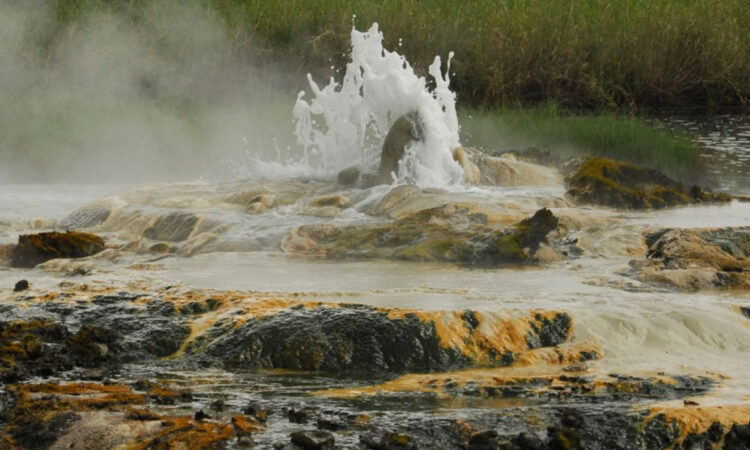
A visit to Semuliki offers a memorable experience, with activities such as: forest walks, bird-watching and visiting the Sempaya Hot Springs, which have boiling pools of water.
Top Things to See & Do in Semuliki

Flora & Fauna
Semuliki National Park contains the only true lowland tropical rain-forest in East Africa. The forest is classified as a moist semi-deciduous forest, with Cynometra (ironwood) dominating the center.
Other ecosystems in the park include: mixed woodlands near Sempaya, riverine swamp forests along the Semliki River and Savannah woodland and marsh areas.
Semuliki is a spillover from the Congo Basin’s Ituri Forest, making it home to: 336 tree species, a wide variety of birds, butterflies, and mammals, 441 bird species (40% of Uganda’s total bird species) and 216 forest bird species (66% of Uganda’s forest bird species).
Bird-watching
Semuliki’s birdlife is particularly impressive, as it contains: 46 Guinea-Congo biome species, which are unique to East Africa, 35 species found in only two or three other locations in Uganda and five species that are endemic to the Albertine Rift.
Mammals & Primates
The park is home to 53 mammal species, 27 of which are large mammals (duiker-sized and larger). Many of these mammals are Central African species, not found elsewhere in East Africa.
Some of the notable mammals in the park include: forest buffaloes and elephants (smaller versions of their savannah relatives) and hippos and crocodiles in the Semliki River.
The park also has many primates, including:
- Chimpanzees
- Black and white colobus monkeys
- Red colobus monkeys (Central African species)
- Blue and red-tailed monkeys
- Vervet monkeys
- De Brazza’s monkeys
- Grey-cheeked mangabeys
- Baboons
- Dent’s mona monkeys
- Pottos and bush babies (nocturnal primates)
How to Get There
Semuliki National Park is 27 kilometers from Fort Portal. However, the Rwenzori Mountains make direct access difficult, requiring a detour north to cross the Buranga Pass before reaching the Semliki Valley.
From Buranga, the 52-kilometer drive to the park office at Sempaya offers beautiful views of the valley. The drive takes about two hours in good weather, but during the rainy season, the roads can become muddy.
A four-wheel-drive vehicle is recommended.
Public Transport
Public transport is available daily from Fort Portal to Bundibugyo Town, which is 15 kilometers past Sempaya. Travelers should plan to stay overnight, as return transport may be difficult to find after 4 PM.
Backpackers can arrange a group car rental from Kabarole Tours in Fort Portal (behind Don’s Plaza) for more flexibility.
Routes from Kampala to Fort Portal
There are two main routes from Kampala to Fort Portal:
- Mubende Route – A direct route of 300 kilometers that takes about four hours.
- Mbarara Route – A longer route that allows stops at Queen Elizabeth National Park and Lake Mburo National Park.
Booking Your Safari Now
If you'd like to customize your tour by adding more days or destinations, please contact us through our main contact page using the button below.