Ethnic Groups and Tribes of Uganda – Culture, Traditions & Languages
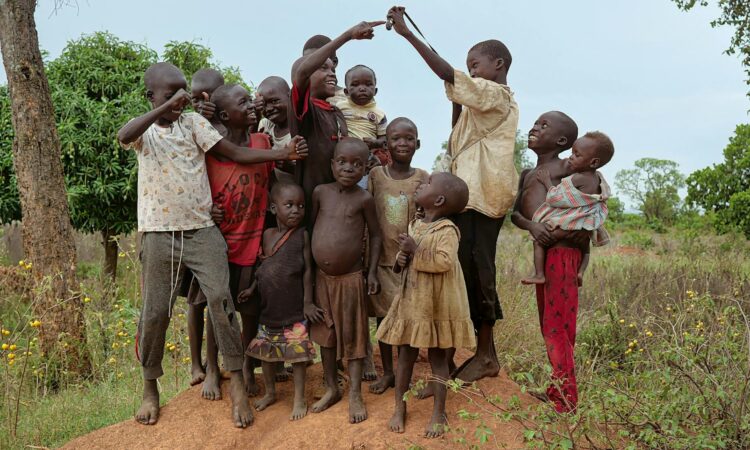
Ethnic Groups in Uganda – Uganda is made up of four major ethnic groups: Bantu, Nilotes, Nilo-Hamites, and Hamites. An ethnic group is a group of people who share a common heritage, language, and cultural background.
Bantu Ethnic Group

The Bantu is the largest ethnic group in Uganda. It includes tribes such as the Baganda, Banyankole, Basoga, Bakiga, Batooro, Banyoro, Bagisu, Bagwere, and Bakonjo. Many Bantu tribes live in the western region of the country.
The Baganda are the largest tribe in central Uganda, and they mainly live in urban areas. The Bantu people are mostly farmers and cattle keepers who live in the western and eastern regions of Uganda. They are found in places like Kampala, Mpigi, Mukono, Kalangala, Masaka, Mubende, and Jinja.
The Baganda have preserved their culture among Uganda’s many tribes, and the Buganda Kingdom still exists today. The Kabaka is the king of the Baganda people, and Kabaka Ronald Mwenda Mutebi is the current ruler of Buganda.
The Banyankole are one of the largest tribes in western Uganda and live in districts like Mbarara, Bushenyi, and Ntungamo. They are well known for raising cattle, especially long-horned cattle.
Nilotes Ethnic Group
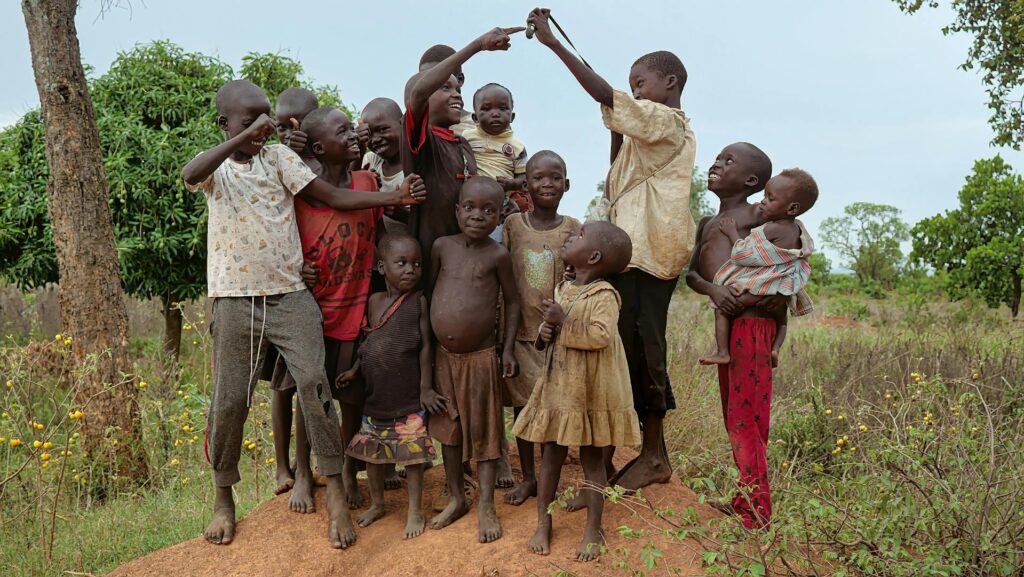
The Nilotes in Uganda include tribes such as the Langi, Acholi, Japhadola, Lulya, Alur, and Jonam. Most Nilotic people live in the northern region of Uganda.
The Nilotes, also called the Luo, are believed to have migrated from South Sudan. After settling in Pubungu, the Nilotes split into two groups: one followed Labong, and the other followed Gipir.
Nilo-Hamites Ethnic Group
The Nilo-Hamites in Uganda include the Teso, Karamojong, Kumam, Kakwa, Sebei, Pokot, Labwor, Tepeth, Lugbara, Madi, and Lendu. These tribes live in the eastern and northeastern parts of the country. They are believed to have migrated from the highlands of Ethiopia.
According to legend, the Nilo-Hamites first settled in Karamoja before moving south to other parts of Uganda.
Hamites Ethnic Group
The Bahima, who live in western Uganda, are considered Hamites.
The Batwa were among the earliest ethnic groups to settle in Uganda. Today, they live in areas near Lake Bunyonyi and Bwindi National Park. The Batwa are known for living in forests, and visitors to Uganda often interact with them to learn about their culture and way of life.
Languages in Uganda
Uganda has more than 56 tribes and many ethnic groups. The country has many languages, but English is the official language. Swahili is also widely spoken, especially because it is used in Kenya, Tanzania, and other East African countries.
Culture and Traditions of Ugandan Tribes
Uganda’s diverse tribes make it an interesting place to visit. Each tribe has its own unique culture, traditions, religious beliefs, and customs.
Traditional Clothing:
Each tribe in Uganda has different traditional clothing. Some of the common outfits include:
- Gomesi – Worn by Baganda women during traditional ceremonies.
- Kanzu – Worn by men during cultural events.
- Mushanana – Worn by Banyankole, Batooro, and Bakiga women in western Uganda.
- Busuuti – Also worn by women in western Uganda, especially at wedding ceremonies.
Marriage Traditions:
Different tribes in Uganda have different customs for marriage ceremonies.
- The bride price varies across tribes.
- The traditional wedding ceremony is different for the bride and groom in each tribe.
Traditional Foods:
People in Uganda eat a variety of foods that are considered staple foods. Some of these include:
- Rice
- Yams
- Cassava
- Millet
- Sweet potatoes
- Irish potatoes
- Posho
- Matooke
Uganda also has a variety of fruits that are enjoyed across the country.
Cultural Practices:
Each tribe in Uganda has unique cultural practices. For example, the Bagisu practice circumcision as a way to mark a boy’s transition from childhood to adulthood. Uncircumcised males are not considered men in Bagisu culture. This ceremony is known as the “Imbalu” ritual.
Another tribe that practices circumcision is the Sabiny, but in their culture, girls are also circumcised.
Booking Your Safari Now
If you'd like to customize your tour by adding more days or destinations, please contact us through our main contact page using the button below.